About Me
Hello — I'm Suchir. I've always been drawn to the moment before something is understood: the point where a pattern is still forming and could still go either way. It's the thread that runs through almost everything I do.
I'm a PhD candidate in Computer Science at the University of Cambridge, and I study a question that sounds simple and isn't: how do machines learn language? Most of AI asks what a model can do once it's trained. I'm far more interested in how it got there.
Academic Trajectory
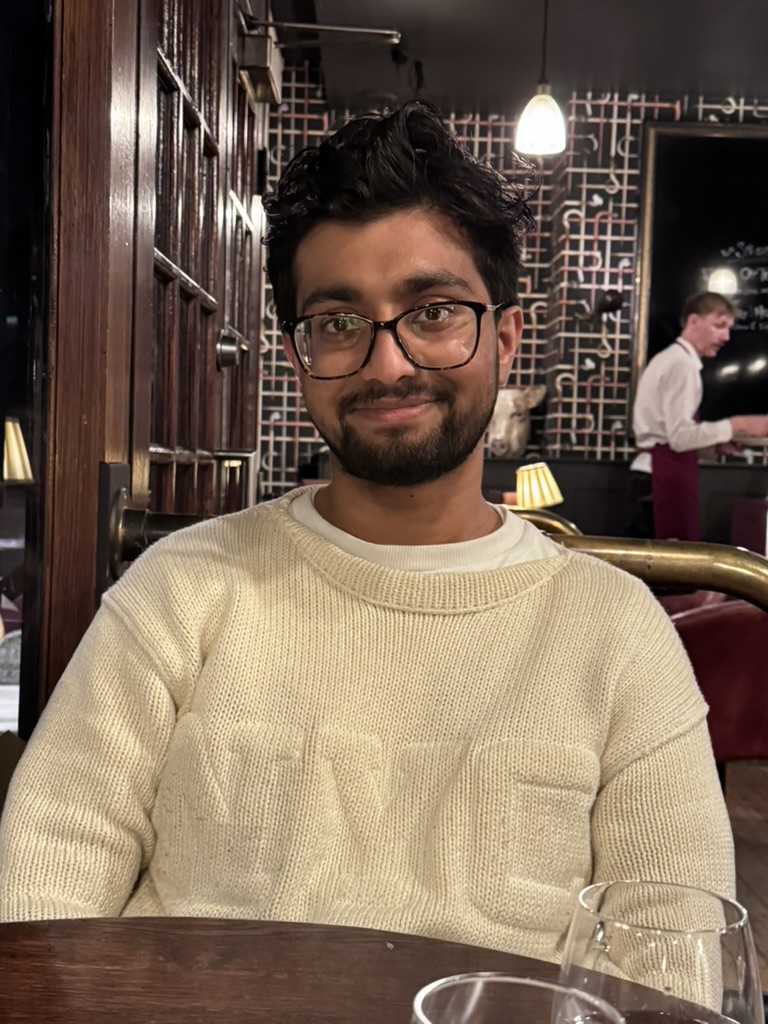
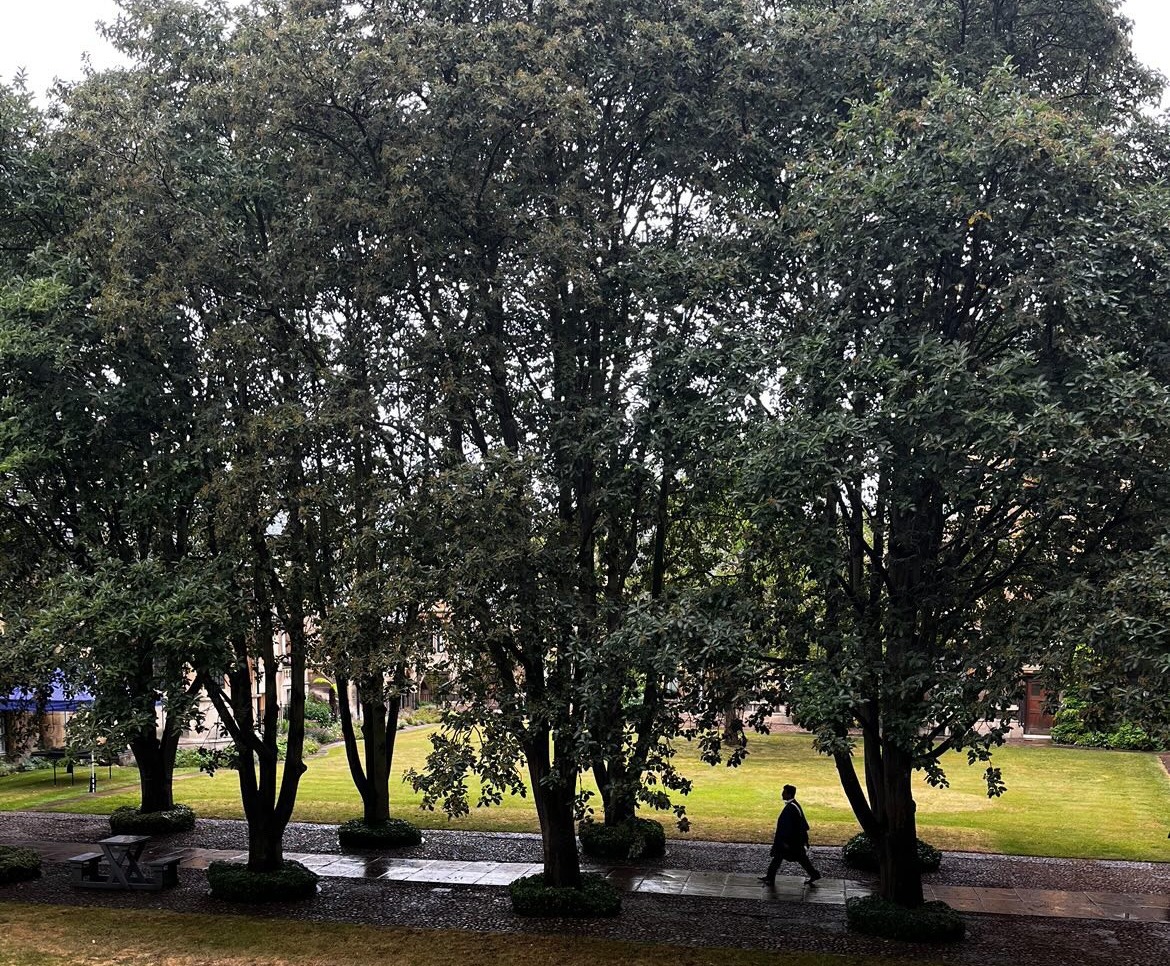
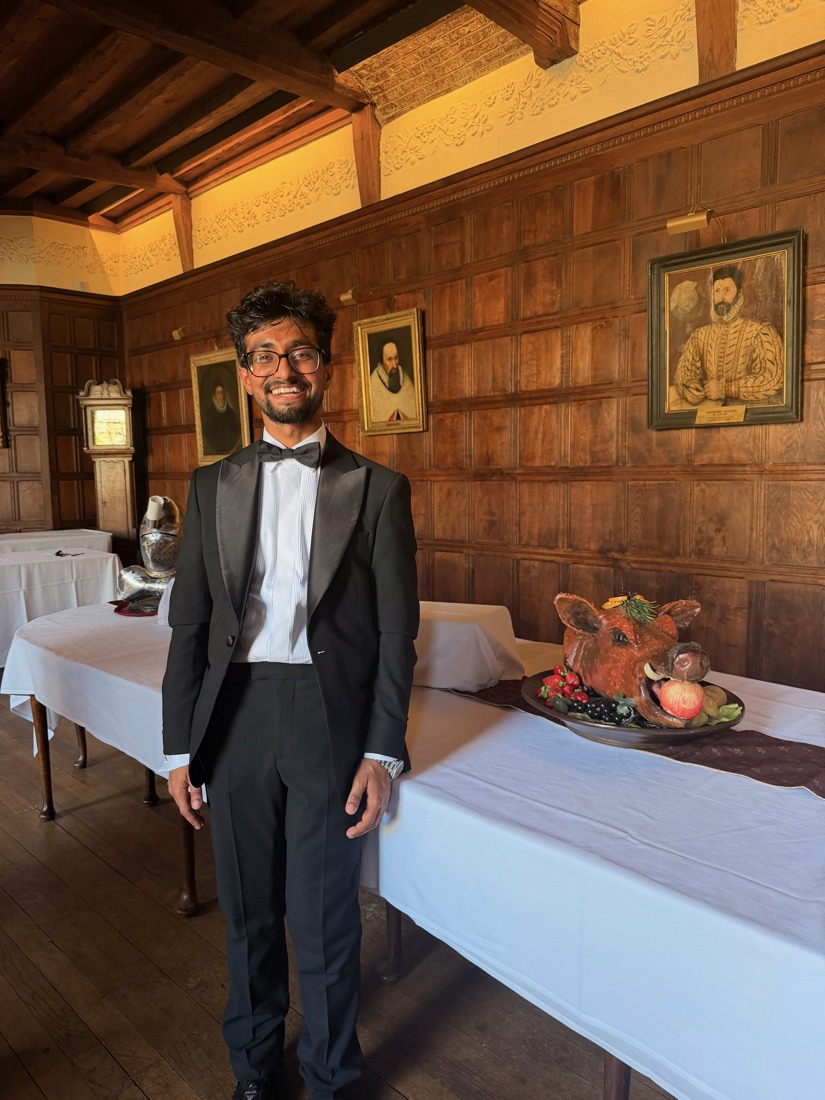
I came to Cambridge in 2020 to read Computer Science and Linguistics at Gonville & Caius College, and never quite left the seam between the two. Somewhere between syntax trees and neural networks — and far too much coffee — I got hooked on the same puzzle from both sides: how does a child pick up a language from almost nothing, and could a machine ever learn half as gracefully?
That question became my PhD, which I pursue under the supervision of Professor Paula Buttery.
Research Orientation
Much of machine learning is organised around endpoints — benchmarks, leaderboards, final accuracy. My work begins from a discomfort with that framing. I treat language models as epistemic artefacts: I care about learning dynamics rather than end states, and I borrow tools from psychometrics and developmental psychology to study them.
I work with small, multilingual models on purpose. Give a model less data, fewer parameters, a narrower slice of the world, and learning stops being a black box and becomes something you can watch. Small models aren't just scaled-down large ones — their value lies less in what they achieve than in what they make intelligible.
See my academic work & publications →Writing & Media
Research isn't the whole of it. As Editor of Per Capita Media, Cambridge's independent publication, I spend a lot of time turning difficult ideas into ones people outside the field can hold — work that's taken me into projects with The One Show, The Sunday Times and BBC Radio 5 Live.
Writing isn't a break from research; it's the same instinct pointed at a wider audience. Understand something, then find the words that make it travel.
Beyond Research
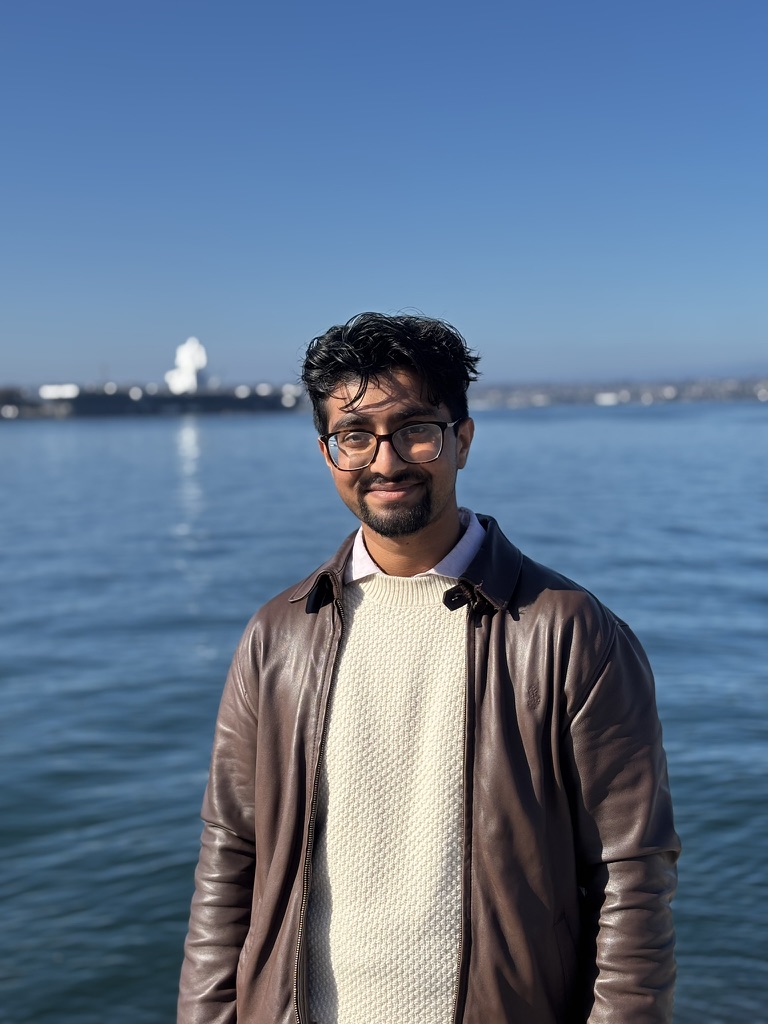
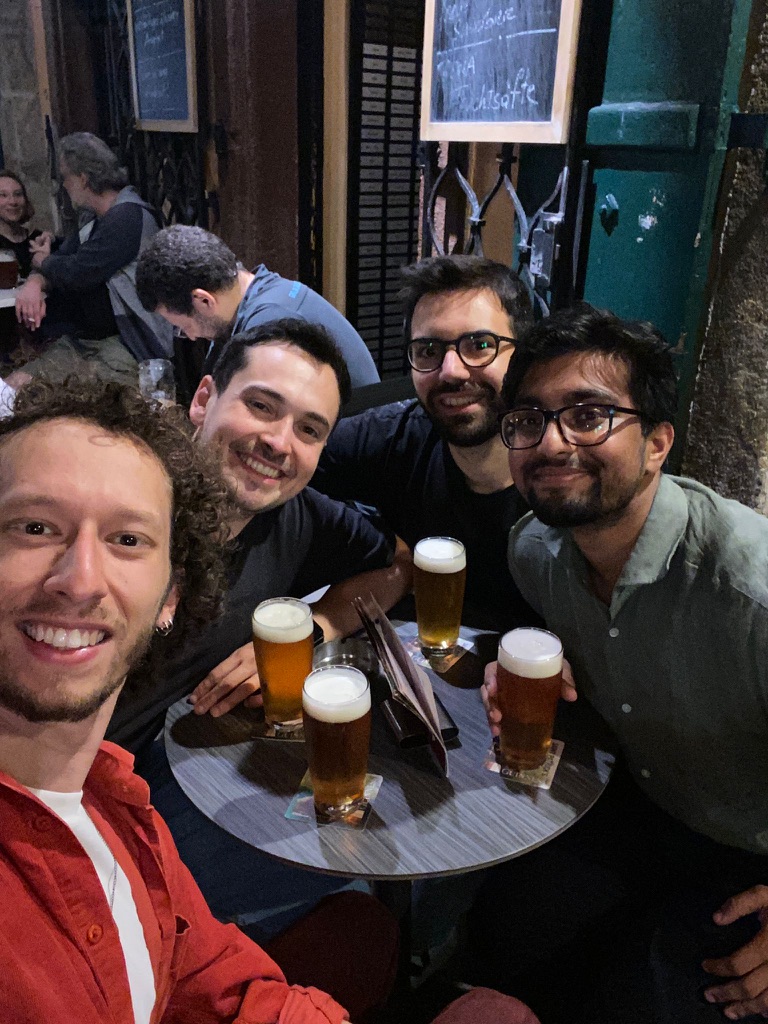
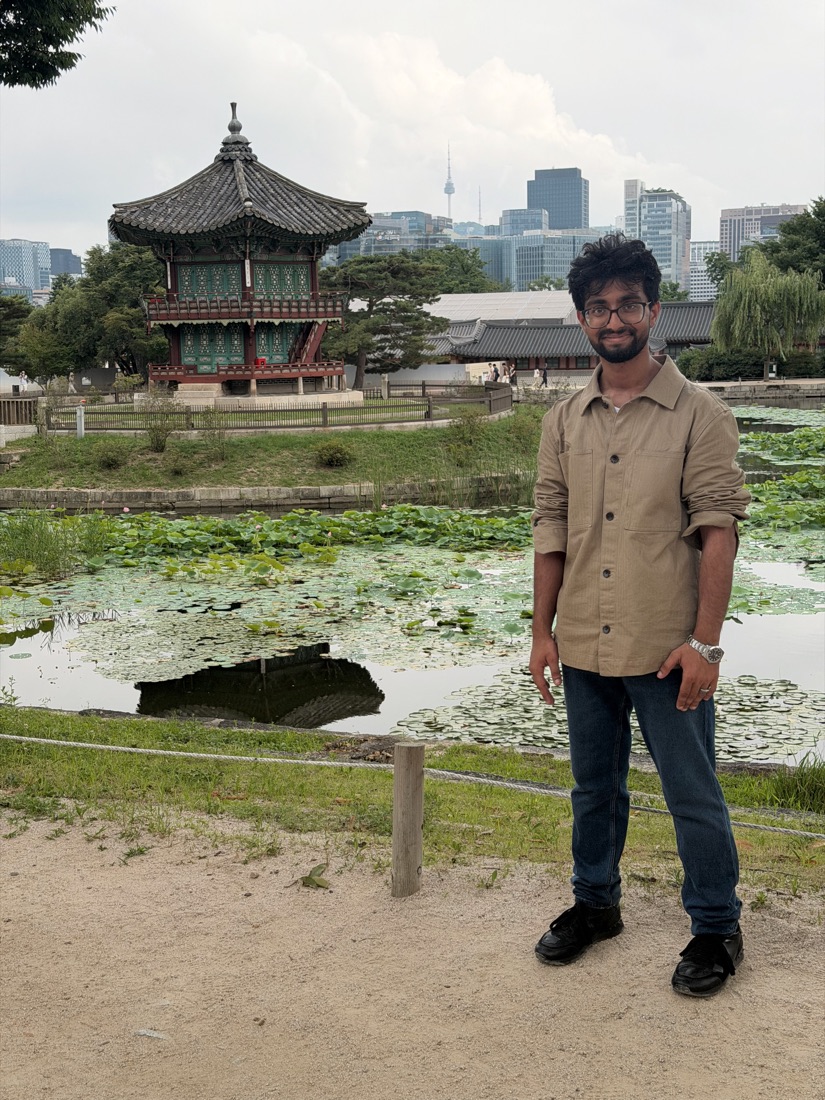
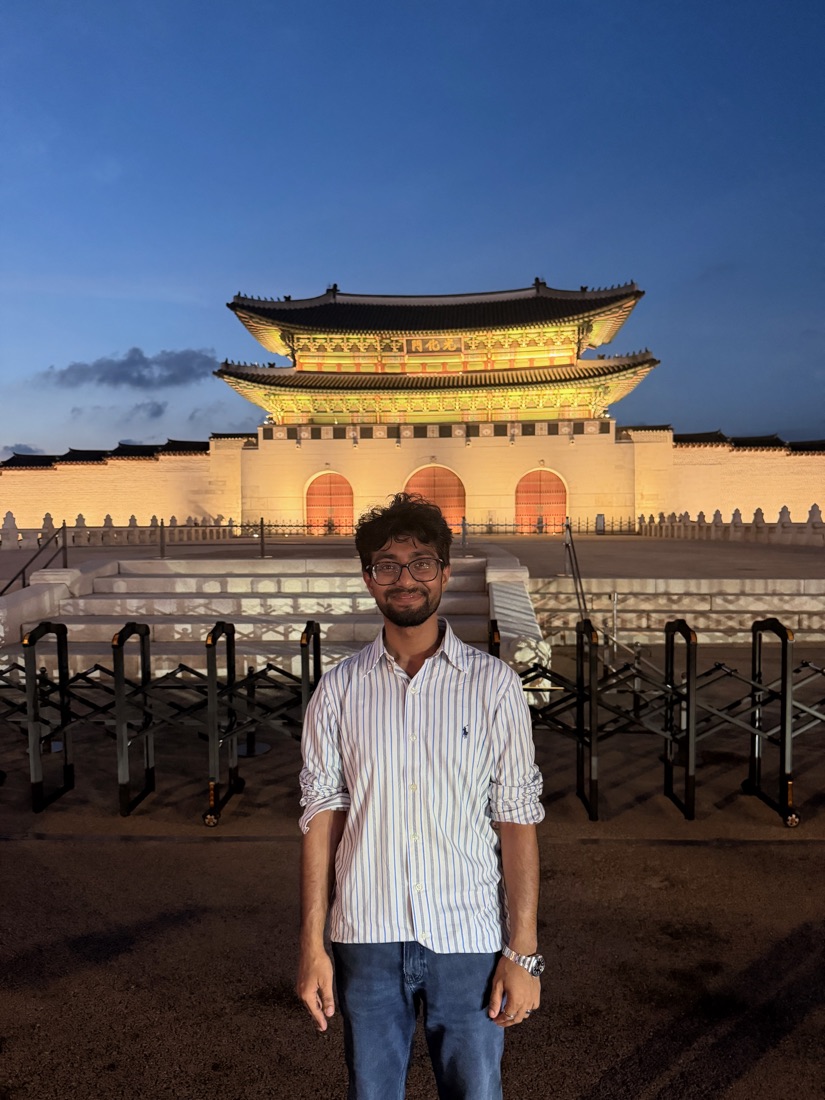
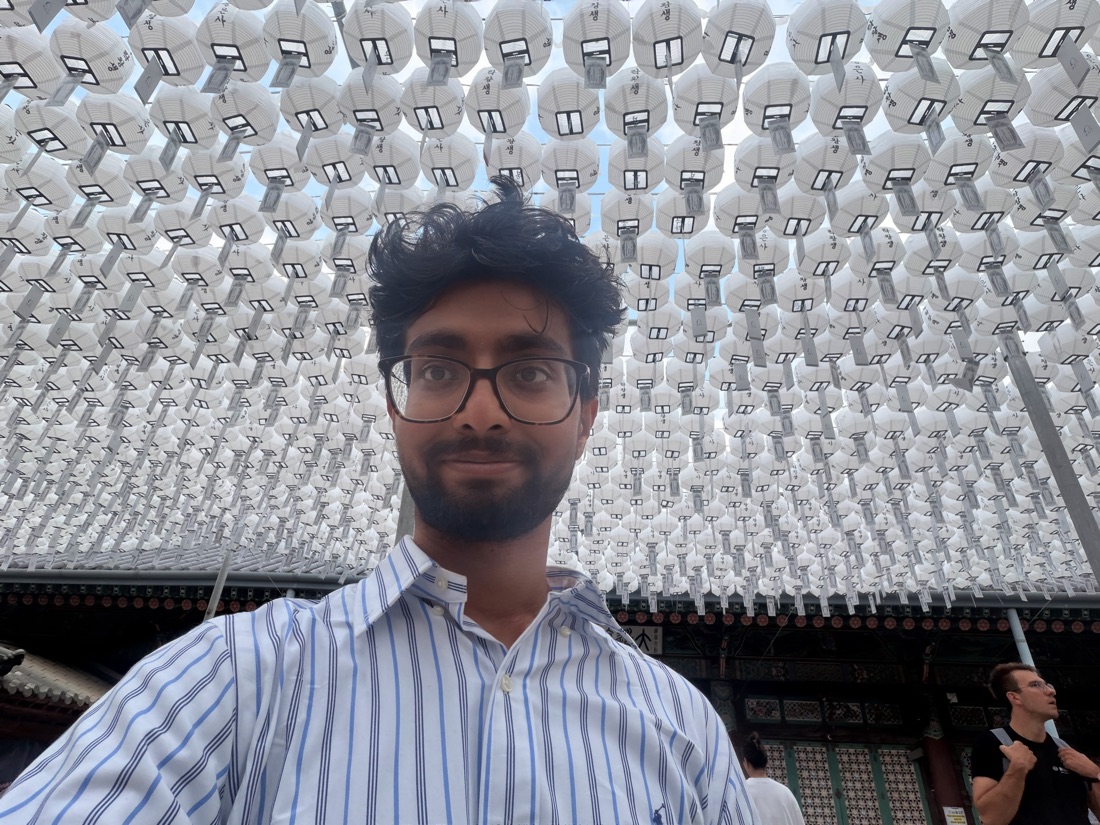
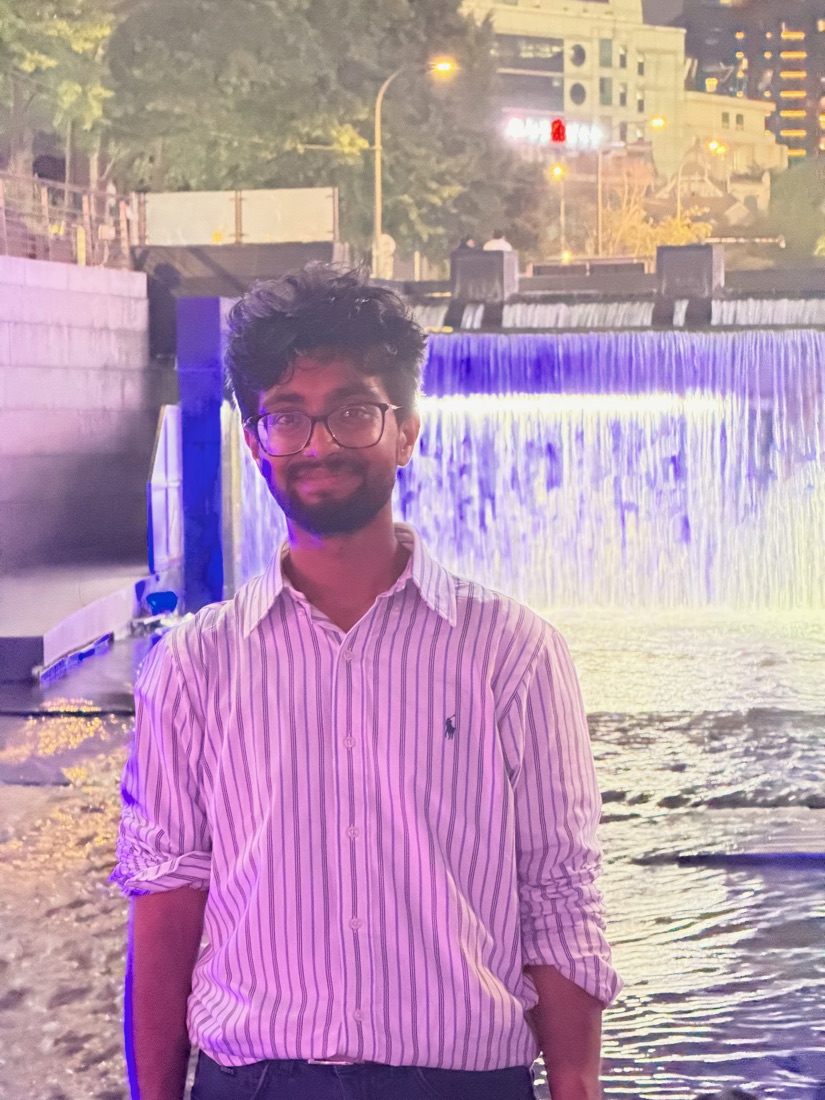
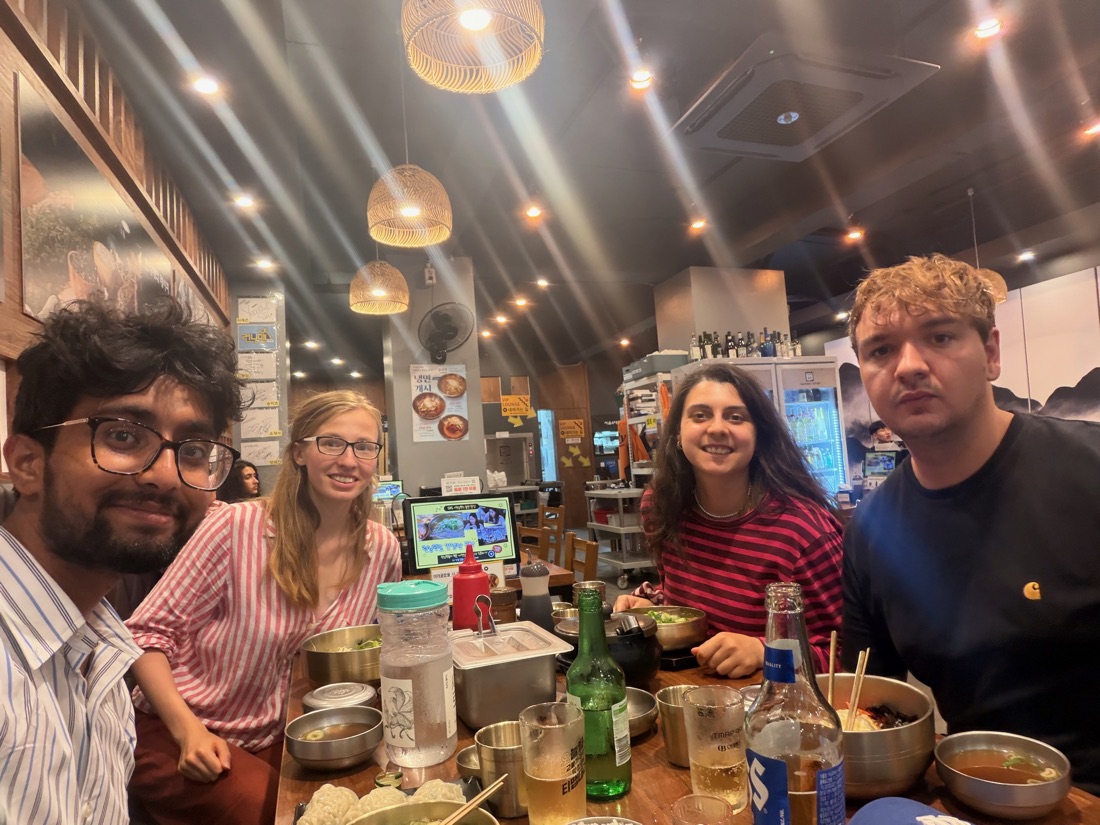
And it does travel. Conferences have taken me to Seoul, Hangzhou, Vienna, Vancouver, San Diego and Paris — though, honestly, the talks are rarely the part I remember. It's the afternoon I got lost after a session and found the best walk of the trip; the tiny restaurant; the two-hour conversation with someone whose field I'd never heard of that quietly rearranged how I think about my own. A conference trip is never just a conference trip.

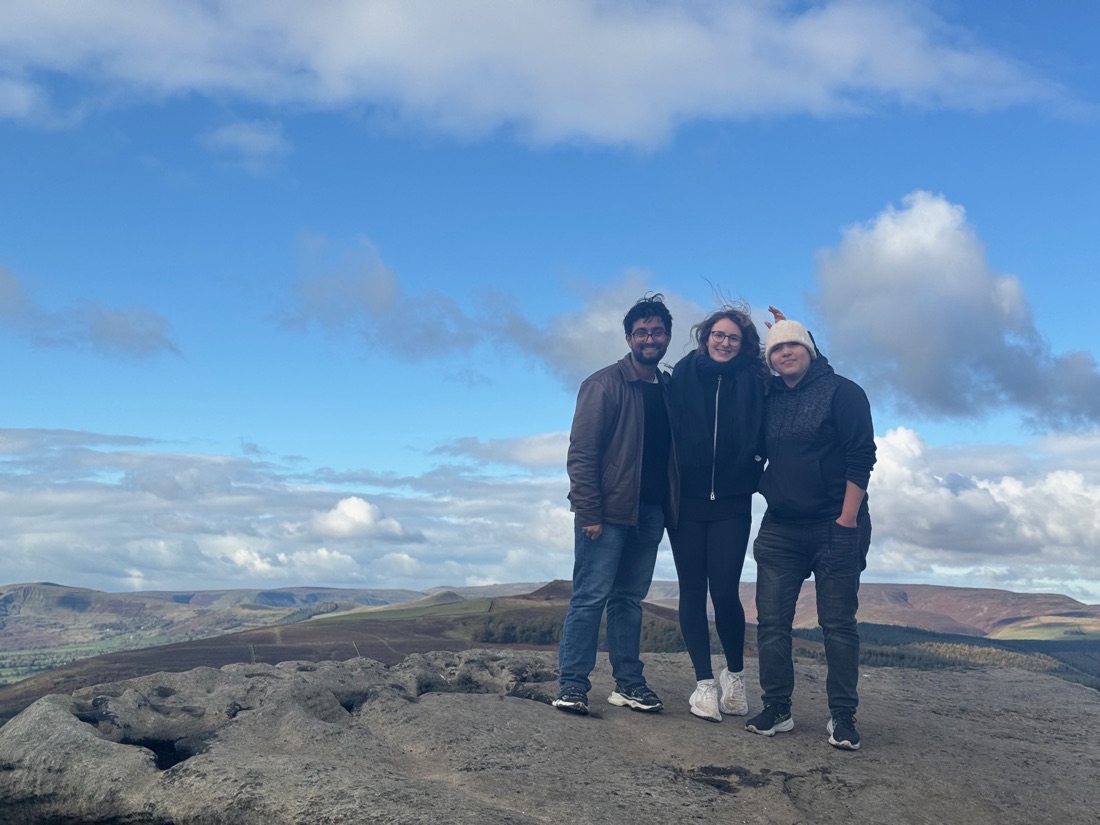
I also have a long-standing love of classical languages — an odd hobby for someone who works on neural networks, until you notice it's the same fascination: the different ways minds and machines encode a single idea. Outside work you'll find me reading history, watching films, or climbing in the Peak District.
I'm the kind of person who gets excited when a model learns a grammatical pattern from limited data, spends an afternoon wandering an unfamiliar city after a conference, and will happily discuss why one language expresses an idea differently from another over dinner.
Life in Pictures
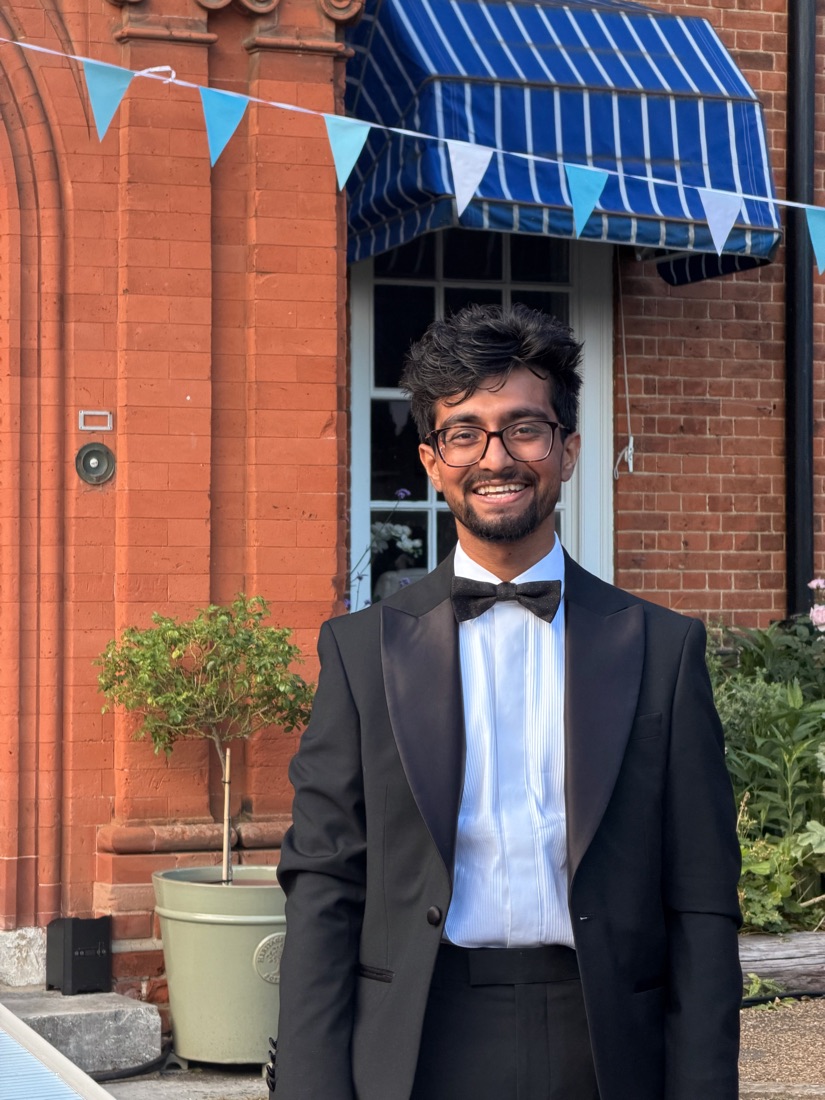
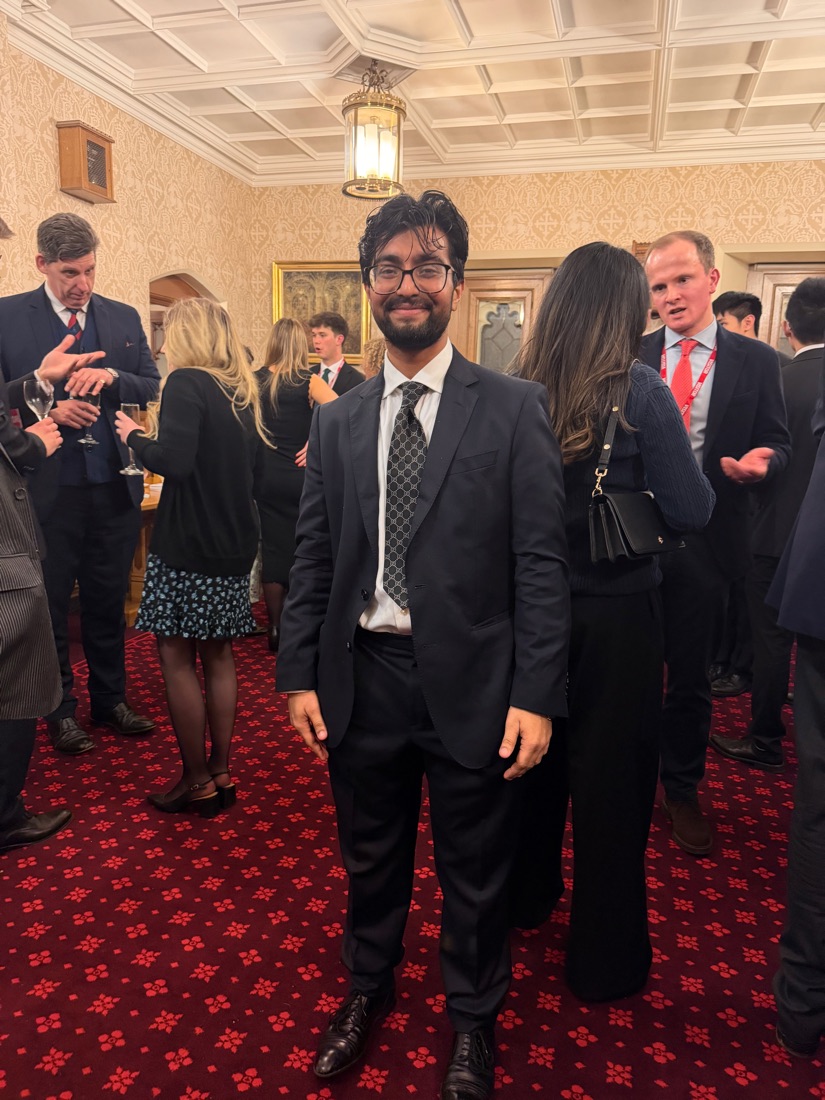
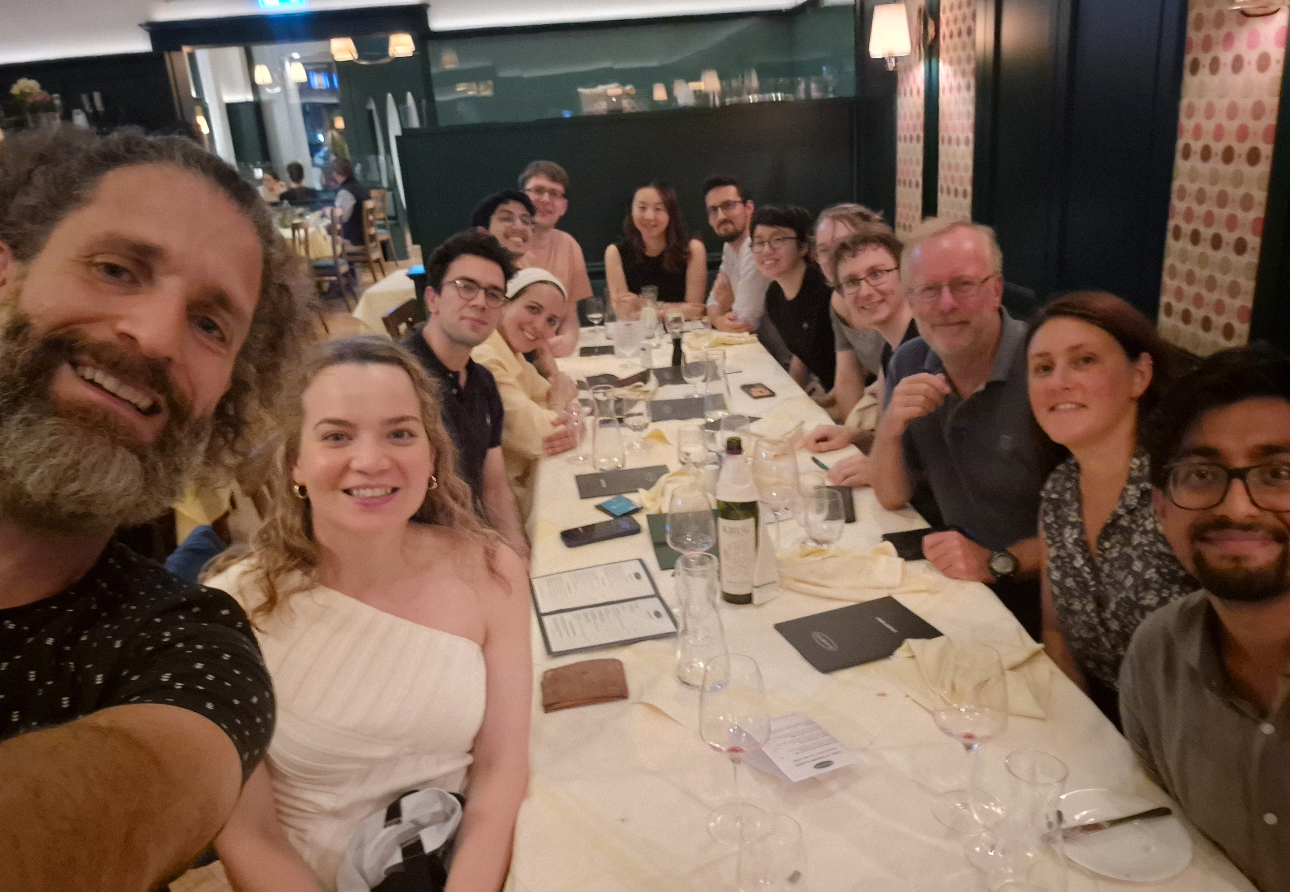
Recent travels and college life — Seoul, Cambridge, and climbing in the Peak District.

Things you might not guess
- I studied classical languages, despite spending most of my time now working on neural networks.
- My research involves enormous modern AI systems, but I’m fascinated by tiny systems and simple experiments.
- I spend a lot of time thinking about language, and still find learning a new word in another language genuinely exciting.
- A conference trip is never just a conference trip — I usually spend more time exploring the city than I planned.
- Some of my best research ideas have come from conversations outside my field.